
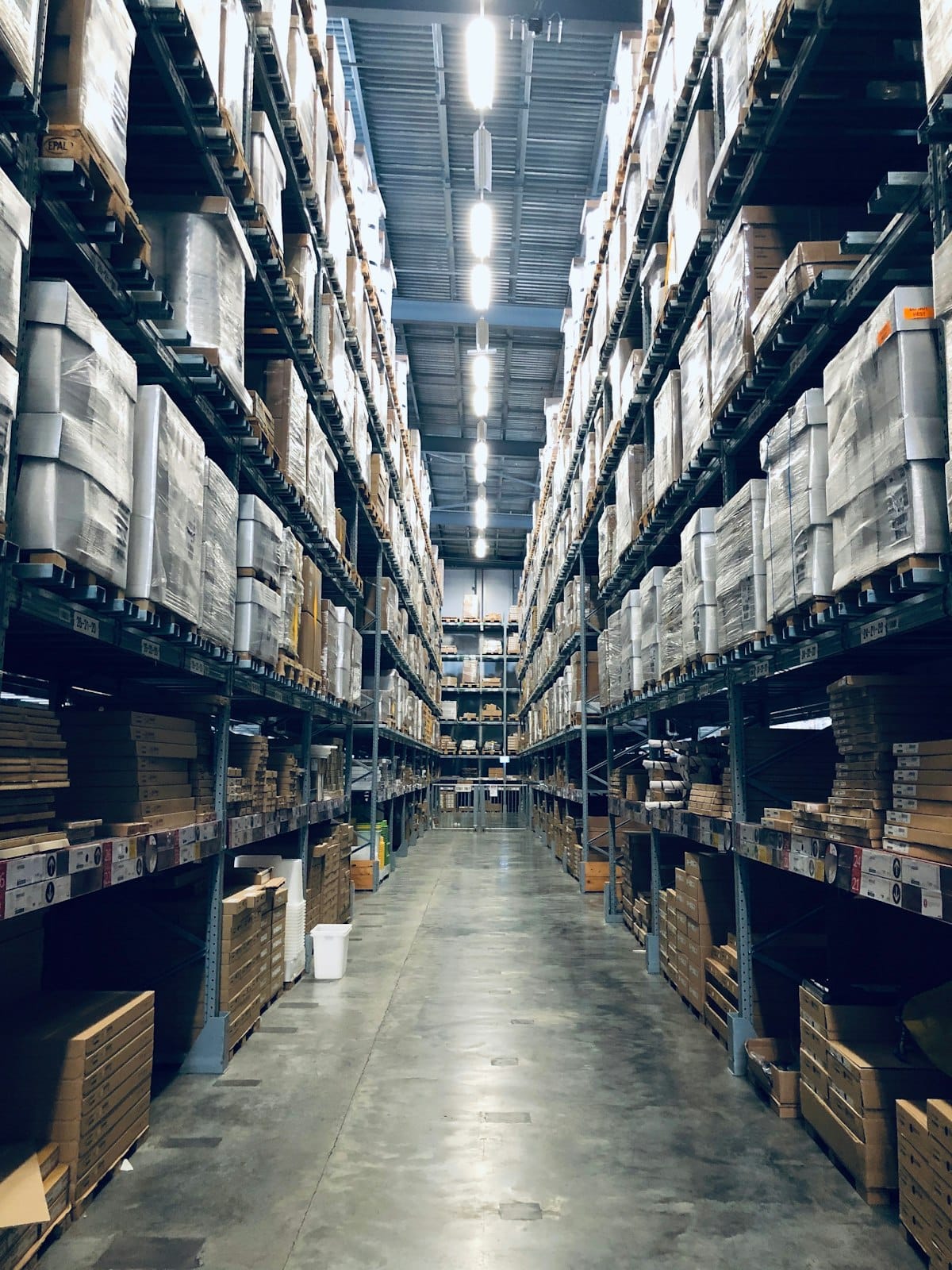
تُشغَّل أنظمة الإضاءة في منشآت التخزين المبردة بشكل أكثر كثافة من أي بيئة صناعية أخرى تقريبًا. فدرجات الحرارة تنخفض بشكل روتيني إلى ما دون -25 درجة مئوية في أنفاق التجميد السريع. وتؤثر دورات التكثيف سلبًا على كل وصلة غير محكمة الإغلاق. كما تعمل الرافعات الشوكية على مدار 24 ساعة يوميًا، مما يعني أن الأضواء لا تنطفئ أبدًا. في ظل هذه الظروف، تتعطل المصابيح غير المناسبة في غضون أشهر — وكل عطل يكلف مالاً: مكالمات الصيانة الطارئة، والمنتجات التالفة بسبب تأخيرات إعادة الدخول، وحوادث سلامة العمال في مكان تتسبب فيه السقوطات والاصطدامات في عواقب وخيمة.
يغطي هذا الدليل جميع الجوانب الفنية المتعلقة بتحديد مواصفات إضاءة LED لمرافق التخزين المبرد، بدءًا من الجوانب الفيزيائية لأداء مصابيح LED في درجات الحرارة المنخفضة وصولاً إلى اختيار تصنيف IP، وانخفاض شدة الإضاءة (اللومن) خلال دورات التجميد والذوبان، ومواصفات وحدات التشغيل، والامتثال لمعايير الإضاءة في حالات الطوارئ، وحسابات توفير الطاقة استنادًا إلى بيانات حقيقية من مرافق سلسلة التبريد.
لماذا تفشل الإضاءة التقليدية في غرف التخزين المبردة
قبل ظهور مصابيح LED، كانت منشآت التخزين المبرد تعتمد على أنابيب الفلورسنت من طراز T8 أو T5 المصممة للعمل في درجة حرارة الغرفة. وكانت المشاكل متوقعة ومكلفة:
- انخفاض إنتاجية اللومن عند درجات الحرارة المنخفضة. تفقد مصابيح الفلورسنت القياسية من نوع T8 ما بين 20–35% من الطاقة المقدرة عند درجة حرارة 0 درجة مئوية، وما يصل إلى 50% عند درجات حرارة أقل من -10 درجة مئوية. إن الظواهر الفيزيائية لتفريغ الغاز الكامنة وراء ذلك مفهومة جيدًا — حيث ينخفض ضغط بخار الزئبق مع انخفاض درجة الحرارة، مما يقلل من كفاءة القوس الكهربائي. ويقوم المشغلون بالتعويض عن ذلك عن طريق تركيب عدد زائد من المصابيح، مما يؤدي إلى زيادة كل من التكلفة الرأسمالية واستهلاك الطاقة.
- تمديد مدة الإحماء. يستغرق مصباح الفلورسنت T8 القياسي من 3 إلى 5 دقائق للوصول إلى كامل طاقته بعد التشغيل البارد. وفي غرفة التجميد التي تبلغ درجة حرارتها -20 درجة مئوية، تمتد هذه المدة إلى 10–15 دقيقة. ويعمل العمال الذين يدخلون الغرفة لالتقاط المنتجات في ظروف إضاءة خافتة، في الوقت الذي تكون فيه الرؤية في غاية الأهمية.
- أعطال في نظام التوازن. تتعطل الكوابح المغناطيسية بسرعة عند درجات حرارة أقل من -20 درجة مئوية. أما الكوابح الإلكترونية المصممة للعمل في درجات الحرارة المنخفضة، فتكلفتها أعلى بكثير، ومع ذلك فإن متوسط الوقت بين الأعطال (MTBF) لها يظل منخفضًا في بيئات التجميد العميق.
- الأضرار الناجمة عن التكثف. تؤدي التقلبات في درجات الحرارة — أي فتح وإغلاق الأماكن المبردة يوميًا — إلى تكاثف الرطوبة على أجسام المصابيح ودخولها عبر الفتحات غير المحكمة الإغلاق. وبمرور الوقت، يؤدي ذلك إلى تآكل مآخذ المصابيح، وإتلاف المكونات الإلكترونية للكابح، وتلف المصابيح قبل الأوان.
- ارتفاع معدل الاستبدال. لا تحقق مصابيح T8 النموذجية المستخدمة في بيئات التخزين البارد سوى 40–50% من عمرها الافتراضي المحدد في المختبر، وذلك بسبب الضغوط المتراكمة الناجمة عن درجة الحرارة والتكثف والتشغيل المتكرر. فقد تتعطل المصباح المصنّف بعمر افتراضي يبلغ 20,000 ساعة في الواقع بعد مرور 8,000–10,000 ساعة من التشغيل.
كانت مصابيح الصوديوم عالية الضغط (HPS) تُستخدم أحيانًا في تطبيقات التخزين البارد ذات الأسقف العالية الكبيرة، لكنها تنطوي على مشاكلها الخاصة: فترة إحماء تستغرق 3–5 دقائق، ووقت إعادة الإشعال يستغرق 15–20 دقيقة بعد انقطاع التيار الكهربائي (مما يعني أن العمال يظلون واقفين في الظلام بعد انقطاع مؤقت للتيار)، ومؤشر تجسيد الألوان (CRI) منخفض (عادةً ما يتراوح بين 22 و25)، وإنتاج حراري كبير يزيد من الحمل على أنظمة التبريد.
كيف يعمل مصباح LED في درجات الحرارة المنخفضة
تتمتع تقنية LED بميزة فيزيائية متأصلة في غرف التخزين المبردة: حيث تتحسن كفاءة أشباه الموصلات مع انخفاض درجة الحرارة. وعلى عكس مصادر التفريغ الغازي، يزداد ناتج لومن مصابيح LED فعليًّا عند درجات حرارة أقل من درجة حرارة الغرفة — وعادةً ما يكون الناتج أعلى بنسبة 3–8% عند درجة حرارة -20 درجة مئوية مقارنةً بدرجة حرارة الغرفة البالغة 25 درجة مئوية. ويرجع ذلك إلى أن انخفاض درجات حرارة الوصلة يقلل من التبريد الحراري للفوسفور ويحسن حركة حامل الشحنة في أشباه الموصلات.
الآثار العملية على المواصفات:
- لا حاجة إلى تخفيض السعة في البيئات الباردة. ستوفر مصابيح LED التي تبلغ سعتها 10,000 لومن عند درجة حرارة 25 درجة مئوية ما بين 10,300 و10,800 لومن عند درجة حرارة -20 درجة مئوية. وهذا عكس سلوك مصابيح الفلورسنت، مما يلغي الحاجة إلى ممارسة التركيب الزائد للتعويض.
- تشغيل فوري. تصل مصابيح LED إلى مستوى الإضاءة 100% في غضون 50 مللي ثانية، بغض النظر عن درجة الحرارة المحيطة. وبذلك، يحصل العاملون الذين يدخلون غرفة التجميد على إضاءة كاملة على الفور.
- لا يوجد إحماء، ولا تأخير في إعادة التشغيل. لا توجد أي فجوة في الإضاءة في حالات الطوارئ أو انقطاع التيار الكهربائي.
- عمر خدمة L70 أطول في الظروف الباردة. نظرًا لأن انخفاض لومن مصابيح LED يتأثر بشكل أساسي بدرجة حرارة الوصلة، فإن بيئات التشغيل الأكثر برودة تطيل العمر الافتراضي لـ L70. فالمصباح الذي تم تصنيفه على أنه L70 لمدة 60,000 ساعة في اختبار بيئي عند درجة حرارة 35 درجة مئوية قد يصل إلى 80,000–100,000 ساعة عند درجة حرارة تشغيل تبلغ -20 درجة مئوية. ويُعد هذا عاملاً مهمًا في حسابات التكلفة الإجمالية للملكية.
تنبيه مهم: لا تستفيد إلكترونيات المشغلات من البرودة بنفس الطريقة التي تستفيد بها مصفوفة مصابيح LED. عادةً ما يتم تصنيف مشغلات LED القياسية لدرجة حرارة تشغيل دنيا تتراوح بين -20 درجة مئوية و-30 درجة مئوية. وعند انخفاض درجة الحرارة عن هذا الحد الأدنى، تفقد المكثفات الإلكتروليتية في دائرة وحدة التحكم سعتها، مما قد يتسبب في حدوث وميض أو انخفاض في الخرج أو فشل في التشغيل. بالنسبة لأنفاق التجميد السريع التي تعمل عند درجة حرارة -35 درجة مئوية أو أقل، يجب تحديد وحدات تحكم ذات تصنيفات ممتدة لدرجات الحرارة المنخفضة والتحقق من درجة الحرارة الدنيا للتشغيل وفقًا لظروف التشغيل الخاصة بك.
متطلبات تصنيف IP وNEMA لمخازن التبريد
تُعد دورة التكثيف التهديد الرئيسي المتعلق بالرطوبة في البيئات المبردة. ففي كل مرة يُفتح فيها باب الثلاجة، يدخل هواء دافئ ورطب؛ وعندما يُغلق الباب، تتكثف تلك الرطوبة على كل الأسطح الباردة — بما في ذلك أغطية التجهيزات، والحشيات، ومجموعات العدسات. وعلى مدار مئات الدورات اليومية، يُعد هذا الاختبار أكثر صرامة من اختبار الغمر الواحد.
الحد الأدنى لمستويات تصنيف IP حسب منطقة التخزين البارد:
| المنطقة | نطاق درجات الحرارة | الحد الأدنى لتصنيف IP | الملاحظات |
|---|---|---|---|
| مستودع مبرد (أعلى من 0 درجة مئوية) | من 0 درجة مئوية إلى +10 درجة مئوية | IP65 | نفاثات مائية منخفضة الضغط ومقاومة للغبار من أي اتجاه |
| غرفة التبريد / غرفة التجميد | من -5 درجة مئوية إلى +5 درجة مئوية | IP65 | ارتفاع خطر التكثف عند درجات الحرارة الانتقالية |
| غرفة التجميد | من -18 درجة مئوية إلى -25 درجة مئوية | IP65 كحد أدنى، ويفضل IP66 | يوفر معيار IP66 مقاومة لنفاثات الماء القوية |
| نفق التجميد السريع | من -30 درجة مئوية إلى -40 درجة مئوية | IP66 | يزيد تدفق الهواء عالي السرعة داخل النفق من خطر تسرب الرطوبة |
| غرف المعالجة والتعبئة (الرطبة) | من +2 درجة مئوية إلى +10 درجة مئوية | IP67 أو IP69K | Direct hosing during washdown; IP69K for high-pressure steam cleaning |
| Loading docks (transition zone) | Variable | IP65 | Extreme temperature swings; mechanical impact risk from vehicles |
Housing material matters as much as IP rating. Polycarbonate (PC) housings maintain impact resistance down to approximately -40°C and are the standard choice for most cold storage fixtures. Aluminum housings conduct heat away from LED arrays efficiently but can develop stress fractures in extreme freeze-thaw cycling if wall thickness is insufficient. Stainless steel (304 or 316) is specified for food processing zones where corrosive cleaning chemicals are used, but adds weight and cost.
Gasket material is a common specification oversight. Standard EPDM gaskets remain flexible down to -40°C and are the preferred choice for deep freeze applications. Neoprene gaskets harden significantly below -20°C and can crack under mechanical stress, compromising the IP seal. Silicone gaskets offer the widest temperature range (-60°C to +200°C) but cost more and are softer, making them susceptible to compression set over years of cycling. Always verify gasket material against your lowest expected operating temperature.
Lumen and Illuminance Requirements
IESNA Lighting Handbook (RP-2) provides the baseline illuminance recommendations for storage applications. Cold storage facilities must meet these targets while accounting for the specific visual tasks performed in each zone.
| المساحة | Maintained Illuminance (lux) | Uniformity Ratio (min:avg) | CRI Minimum |
|---|---|---|---|
| General freezer storage (racking) | 200–300 lux at floor | 0.4 | 65 |
| Rack face / picking zone | 300–500 lux at rack face | 0.5 | 70 |
| Receiving / dispatch dock | 300 lux | 0.4 | 70 |
| Quality control / inspection | 750–1000 lux | 0.6 | 80 minimum, 90 preferred |
| Processing and packing | 500–750 لوكس | 0.5 | 80 |
| نفق التجميد السريع | 150 lux minimum | 0.3 | 65 |
| Corridors and staging | 150–200 لوكس | 0.4 | 65 |
Color temperature selection in cold storage: 4000K (neutral white) is the standard recommendation for most cold storage zones. It provides good color rendering for product inspection without the blue-heavy spectral content of 5000K+ sources that can feel harsh in enclosed freezer environments. Some operators prefer 5000K in blast freeze tunnels where exposure duration is short and visual acuity for safety labeling is the priority.
Avoid 3000K (warm white) in refrigerated environments. The warm tone reduces perceived contrast on white walls and white packaging, making it harder to identify damaged goods, contamination, or safety labels. The CRI improvement from LED also matters here: where older fluorescents at CRI 70 made it difficult to distinguish between similar product colors, LED at CRI 80+ enables more reliable visual QC without requiring 750 lux task lighting everywhere.
Fixture Types and Mounting Configurations
Linear Vaportight Fixtures (4-foot and 8-foot)
Linear vaportight fixtures are the standard specification for low-bay cold storage (mounting heights 3–6 meters). They mount directly to ceilings or to racking uprights and provide uniform illumination across wide aisles. Key specification parameters:
- Wattage range: 40W–80W per 4-foot fixture, 60W–120W per 8-foot fixture
- معدل الإضاءة: 5,500–11,000 lm per 4-foot fixture at rated conditions
- Efficacy: 130–160 lm/W for current-generation products
- Driver rating: -30°C or -40°C minimum start temperature for deep freeze
- Linkable design: Allows end-to-end linking for continuous row illumination without junction boxes between fixtures
- Emergency battery option: Internal battery packs must be rated for the operating temperature; standard NiCd batteries lose capacity rapidly below -10°C
UFO High Bay for High-Rack Cold Storage
Automated storage and retrieval systems (ASRS) and high-rack freezer warehouses with ceiling heights above 8 meters require UFO high bay fixtures. The same principles apply as general industrial high bays, with additional low-temperature driver requirements and IP65 minimum housing ratings.
Typical specifications for high-rack cold storage high bay:
- Wattage: 150W–240W per fixture at 10–14 meter mounting heights
- معدل الإضاءة: 21,000–34,000 lm
- زاوية الحزمة: 60° for narrow aisles in ASRS applications; 90–120° for general high-rack storage
- IP rating: IP65 at minimum
- الحماية من زيادة التيار: 6kV/3kA built-in (motor starting transients from refrigeration compressors and ASRS motors)
Rack-Mounted Aisle Lighting
For very narrow aisle (VNA) operations and high-rack picking, row-by-row rack-mounted linear fixtures deliver light directly to the working zone rather than relying on overhead illumination to penetrate deep rack bays. This approach achieves 400–500 lux at rack face using 20–40W per fixture rather than requiring 300W+ overhead high bays to push sufficient light through 12+ meters of rack depth. The energy reduction is substantial — typically 40–60% compared to overhead-only illumination for VNA configurations.
Emergency Lighting Considerations
Cold storage emergency lighting carries specific challenges that differ from standard industrial applications:
Battery performance at low temperature. Standard lead-acid and NiCd battery packs lose 20–40% of capacity at 0°C and 40–60% at -20°C. Emergency duration ratings given at 20°C test conditions are not met in freezer environments. For cold storage emergency lighting, specify:
- NiMH batteries with cold-temperature rating (some products rated to -30°C)
- Lithium iron phosphate (LiFePO4) emergency packs rated to -20°C or -30°C
- Central battery systems located in ambient-temperature areas feeding emergency circuits into cold rooms (eliminates the battery temperature problem entirely)
Emergency illuminance requirements. NFPA 101 Life Safety Code requires 1 foot-candle (10.8 lux) minimum along the path of egress at floor level, maintained for 90 minutes. IBC 2021 Section 1008 applies similar requirements. In practice, specifying emergency fixtures for 50–100 lux along egress paths provides a comfortable safety margin accounting for battery capacity degradation in cold environments.
Exit sign placement. In large freezer rooms with racking, line-of-sight to exit signs may be obstructed. The National Fire Alarm and Signaling Code (NFPA 72) requires exit signs to be visible from any point in the occupiable space. For deep-rack cold storage, supplemental aisle-end signs or internally illuminated signs at rack end-caps satisfy this requirement.
Controls Integration in Cold Storage
Lighting controls deliver significant energy savings in cold storage — but the control strategy must account for the unique operational pattern of refrigerated facilities.
Occupancy sensing. PIR (passive infrared) sensors have reduced sensitivity in cold environments because the temperature differential between a human body and the ambient air is much smaller at -20°C than at room temperature. In deep freeze environments, use dual-technology sensors combining PIR with microwave (MW) detection. Microwave detection is not temperature-dependent and provides reliable occupancy detection when PIR alone would generate false-off events.
Setback strategy. Unlike office buildings where lights can go to 0% when unoccupied, cold storage setback strategy must balance energy savings against two constraints: (1) minimum illuminance for safety in case workers enter without triggering the sensor, and (2) the thermal contribution of lighting to the space. In a -25°C deep freeze, lighting heat output is actually a small positive contribution to temperature stability — turning lights fully off removes this contribution. Most operators use 20–30% setback (rather than 0%) as the unoccupied level in deep freeze zones.
Dimming control. All drivers in the system must support 0–10V or DALI dimming for setback operation. Verify that the minimum dimming level (typically 10–20% for standard drivers) does not cause flicker at cold temperatures. Some driver circuits have increased minimum-dim instability at low temperatures due to capacitor behavior; specify drivers with cold-temperature verified dimming performance.
Daylight harvesting at docks. Loading dock areas receive daylight through open dock doors. Daylight sensors with 0–10V dimming can reduce dock lighting energy by 30–50% during daylight hours when dock doors are open. This is one of the highest-ROI control applications in cold chain facilities.
Energy Savings Calculation: Freezer Warehouse Example
The following calculation is based on a 100,000 sq ft (-20°C) freezer warehouse with 8-meter mounting height, 3-shift operation (22 hours/day lighting), and current T8 fluorescent installation:
Existing installation:
- 400 T8 fixtures × 2 lamps × 32W per lamp = 25,600W connected load
- Plus ballast losses (~15%): 29,440W effective load
- Annual energy: 29.44 kW × 22 hr × 365 days = 236,270 kWh
- At $0.10/kWh: $23,627/year energy cost
LED replacement (60W linear vaportight):
- 400 fixtures × 60W = 24,000W
- With 25% setback during low-traffic periods (6 hr/day): effective load = 21,600W average
- Annual energy: 21.6 kW × 22 hr × 365 days = 173,448 kWh
- At $0.10/kWh: $17,345/year energy cost
- Annual savings: $6,282 energy cost
Maintenance savings:
- T8 lamp replacement: 400 fixtures × 2 lamps × $4/lamp = $3,200 materials every 2 years (8,000-hr cold storage life)
- Labor: 400 fixture relamping × 15 min × $35/hr = $3,500 per replacement cycle
- Ballast replacements (30% failure rate per 3 years): 400 × 0.30 × $25 = $3,000 materials + labor
- LED maintenance over 5 years: minimal lamp replacement, estimated $500 total
- 5-year maintenance savings: ~$22,000
5-year total savings: $31,410 energy + $22,000 maintenance = $53,410
Installed cost for 400 LED fixtures: $85,000–$110,000 depending on product specification and installation complexity
Simple payback: 7–9 years without rebates
With DLC Premium utility rebates (typical $30–$50/fixture): $12,000–$20,000 rebate reduces effective installed cost to $65,000–$90,000, bringing payback to 5–7 years.
Note: This calculation uses conservative energy pricing. Facilities in regions with $0.14–0.18/kWh rates (common in New England, California, and Northeast industrial markets) see proportionally faster payback.
Refrigeration System Interaction
A consideration that rarely appears in standard LED lighting guides: the heat output of lighting fixtures adds to the refrigeration load. Every watt of lighting power that enters the refrigerated space eventually becomes heat that the refrigeration system must remove.
For the 100,000 sq ft freezer example above:
- Fluorescent system: 29,440W heat load from lighting = 100,430 BTU/hr
- LED system (60W × 400 fixtures): 24,000W heat load = 81,912 BTU/hr
- Reduction: 18,518 BTU/hr less refrigeration load
- At COP 2.5 (typical freezer refrigeration efficiency at -20°C): 18,518 BTU/hr ÷ 3.412 ÷ 2.5 = 2,168W reduction in compressor power
- Annual compressor energy savings: 2.17 kW × 8,760 hr = 19,005 kWh/year = ~$1,900/year additional savings
The refrigeration interaction savings are real but often excluded from simple payback calculations. Including them improves the economic case for LED retrofits in refrigerated facilities, particularly in larger installations where the refrigeration equipment is a significant energy consumer.
الأخطاء الشائعة في المواصفات
- Using standard-temperature driver specifications. Many catalog spec sheets list driver operating range as -20°C to +50°C with minimum start temperature of -20°C. If your blast freeze tunnel operates at -35°C, the fixture will not start reliably. Always verify minimum start temperature against your coldest operating zone — not just the average freezer temperature.
- Ignoring the condensation cycle in IP selection. An IP66 fixture that passes a single 15-minute water jet test may fail in a cold storage environment that subjects it to 10,000+ condensation cycles over 5 years. Ask manufacturers for data on seal integrity after thermal cycling testing — not just initial IP certification.
- Specifying emergency battery packs without cold-temperature rating verification. Standard emergency NiCd battery packs are tested at 20°C. A pack rated for 90-minute duration at 20°C may deliver only 45–60 minutes at -10°C in a chill room. This can result in life-safety code non-compliance during an emergency.
- Using PIR-only occupancy sensors in deep freeze. As described above, PIR sensitivity drops significantly as ambient temperature approaches body temperature. Dual-technology sensors are required in any space below approximately -10°C for reliable occupancy detection.
- Neglecting to account for luminaire temperature when calculating mounting height. LED fixture thermal management depends on heat dissipation to the surrounding air. In very cold environments, fixtures run cooler than their rated test conditions, which slightly changes the photometric distribution (minor effect) but primarily affects the driver operating range rather than the optics. More important: cold environments extend LED life significantly, and this should be factored into your total cost of ownership model.
- Selecting fixtures without surge protection for refrigeration motor environments. Compressor motors, fans, and automated racking systems generate voltage transients on the supply circuit. LED drivers without adequate surge protection (minimum 4kV/2kA per IEC 61000-4-5) experience premature failure in these environments. Specify 6kV/3kA or better for freezer environments with large refrigeration compressor loads.
Specification Checklist for Cold Storage LED Lighting
- ☑ Minimum driver operating temperature verified against coldest zone (blast freeze: specify -40°C rated)
- ☑ Minimum driver start temperature confirmed (not just operating range)
- ☑ IP rating selected by zone (IP65 minimum; IP66 for blast freeze; IP69K for washdown processing)
- ☑ Gasket material specified: EPDM or silicone for deep freeze; verify rating below -30°C if applicable
- ☑ Housing material verified for thermal cycling durability (polycarbonate rated to -40°C standard)
- ☑ Emergency battery pack cold-temperature rating confirmed against room operating temperature
- ☑ Occupancy sensor type: dual-technology (PIR + MW) for zones below -10°C
- ☑ Dimming driver: 0–10V or DALI with cold-temperature dimming stability verified
- ☑ Surge protection rating: 6kV/3kA minimum in refrigeration compressor circuits
- ☑ DLC Premium listing confirmed for rebate eligibility
- ☑ CRI ≥ 70 general storage; CRI ≥ 80 quality control and inspection zones
- ☑ Illuminance design verified at maintained levels (accounting for LLF including cold-temperature LED gain)
- ☑ Refrigeration load impact calculated and included in TCO model
FAQ
Do LEDs actually perform better in cold storage than at room temperature?
Yes, but with an important distinction. The LED array itself produces slightly more light at low temperatures — typically 3–8% more output at -20°C than at the 25°C test condition. However, the driver electronics do not benefit from cold and may fail to operate reliably at temperatures below their rated minimum. Always check both the LED temperature coefficient (positive benefit in cold) and the driver minimum operating temperature (a hard lower limit) when specifying for cold storage.
What IP rating do I need for a blast freeze tunnel operating at -35°C?
IP66 is the minimum specification for blast freeze tunnels. The high-velocity airflow inside blast tunnels increases the risk of moisture and particulate ingress compared to static freezer rooms, which is why IP66 (powerful water jet protection) is preferred over IP65 (water jet protection) even though the primary threat is condensation rather than direct water. Also verify that the fixture’s IP certification was tested at low temperature, not just at 20°C ambient.
Can I use standard LED vaportight fixtures from a hardware supplier in cold storage?
Standard commercial vaportight fixtures sold for ambient temperature use typically have driver minimum temperature ratings of -20°C or -25°C. For standard refrigerated warehouse environments (0°C to -18°C), these often work adequately. For deep freeze (-20°C to -30°C) and blast freeze (-30°C and below), you need fixtures specifically rated for those conditions with cold-start verified drivers. Using underrated fixtures in deep freeze will result in premature driver failure, typically within 12–24 months.
How do occupancy sensors for cold storage differ from standard sensors?
Standard PIR (passive infrared) sensors detect the infrared radiation emitted by warm bodies against a cooler background. As the ambient temperature drops toward body temperature (37°C), this differential shrinks and PIR sensitivity decreases. In spaces below approximately -5°C to -10°C, PIR-only sensors generate false-off events — lights turning off while workers are present. Dual-technology sensors add microwave (radar) detection, which is not temperature-dependent and detects motion rather than heat differential. Use dual-technology sensors in any cold storage zone at or below -10°C.
How long does a quality LED fixture actually last in cold storage compared to a warm environment?
LED lumen depreciation follows the Arrhenius relationship — lower operating temperatures slow the chemical and physical degradation processes that reduce light output over time. A fixture with an L70 life of 60,000 hours when tested at the IES LM-80 standard condition (55°C or 85°C LED board temperature) will experience lower actual board temperatures in cold storage, resulting in longer effective L70 life. Practical estimates suggest 20–40% longer L70 life in -20°C freezer environments versus 35°C ambient warehouse environments. This extends the maintenance interval and reduces the long-term cost per lumen-hour further.